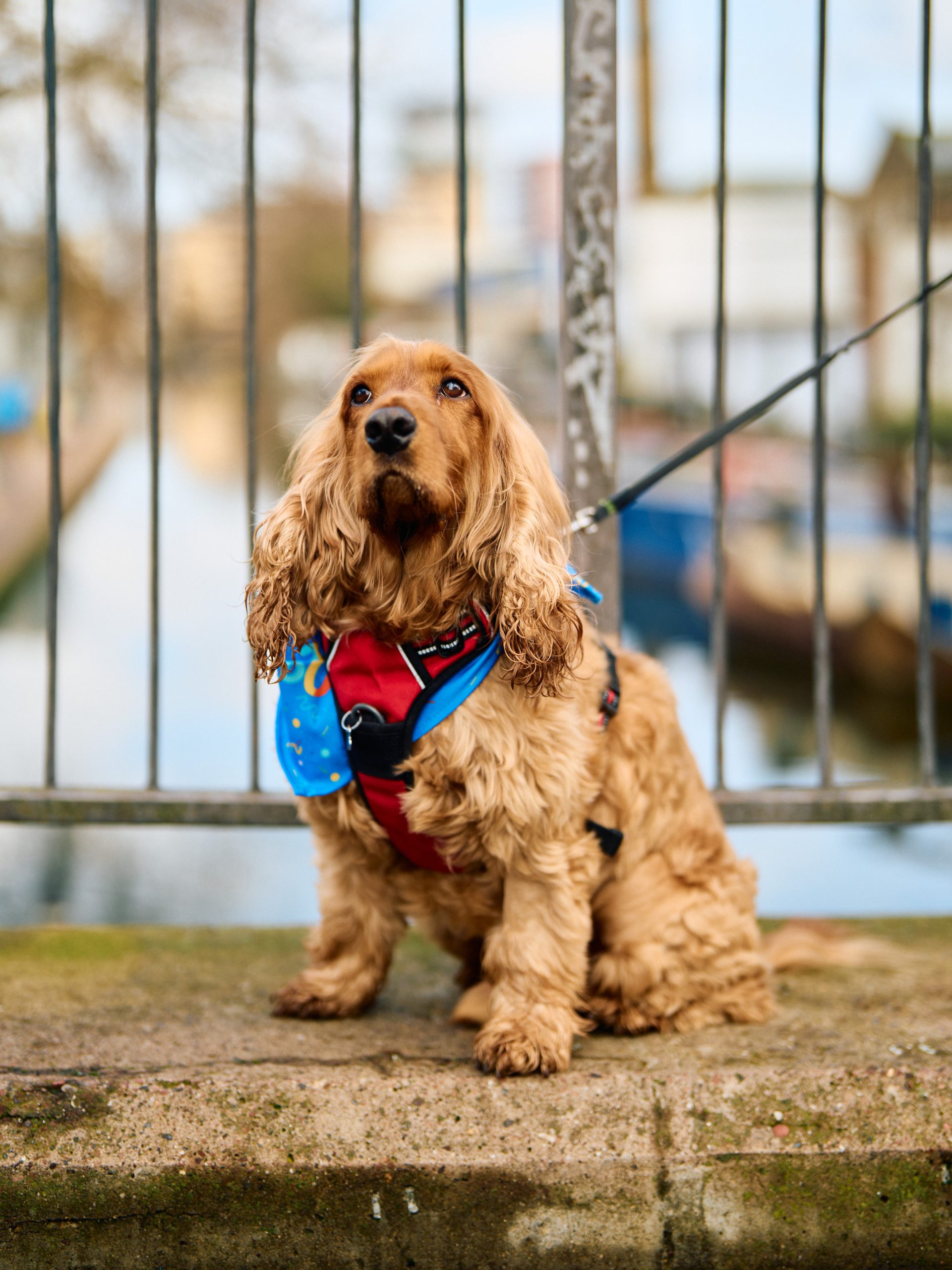
Leo’s Legacy: One fight, on two legs or four
Leo’s story is a powerful insight into the connections between human and animal health, and the importance of learning across species. His guardian Matt is a doctor working in Oncology, who experienced cancer care from both sides of the human–animal divide, highlighting the parallels, while also revealing the challenges and opportunities that exist within both fields. At Humanimal Trust, we believe that knowledge should move freely between human and veterinary medicine, because better understanding of disease in one species has the potential to improve outcomes for all.
Matt shared: “As a doctor working in genitourinary oncology at Barts Cancer Institute and preparing to begin an Academic Clinical Fellowship in Medical Oncology at the University of Oxford, I spend much of my professional life thinking about cancer. Every day I see how advances in molecular diagnostics, immunotherapy and precision medicine are transforming outcomes for patients. Yet despite my clinical and academic interest in oncology, it was the diagnosis of our beloved Cocker Spaniel, Leo, that gave me a completely different perspective on the disease.
Before Leo became ill, comparative oncology was something I understood primarily as a scientific concept. I appreciated that dogs develop many of the same cancers as humans and that studying naturally occurring disease in companion animals could help advance research. What I had not fully appreciated was how closely the experiences of people and animals living with cancer can mirror one another, nor how much each field has to learn from the other.
A Family Member First, a Patient Second
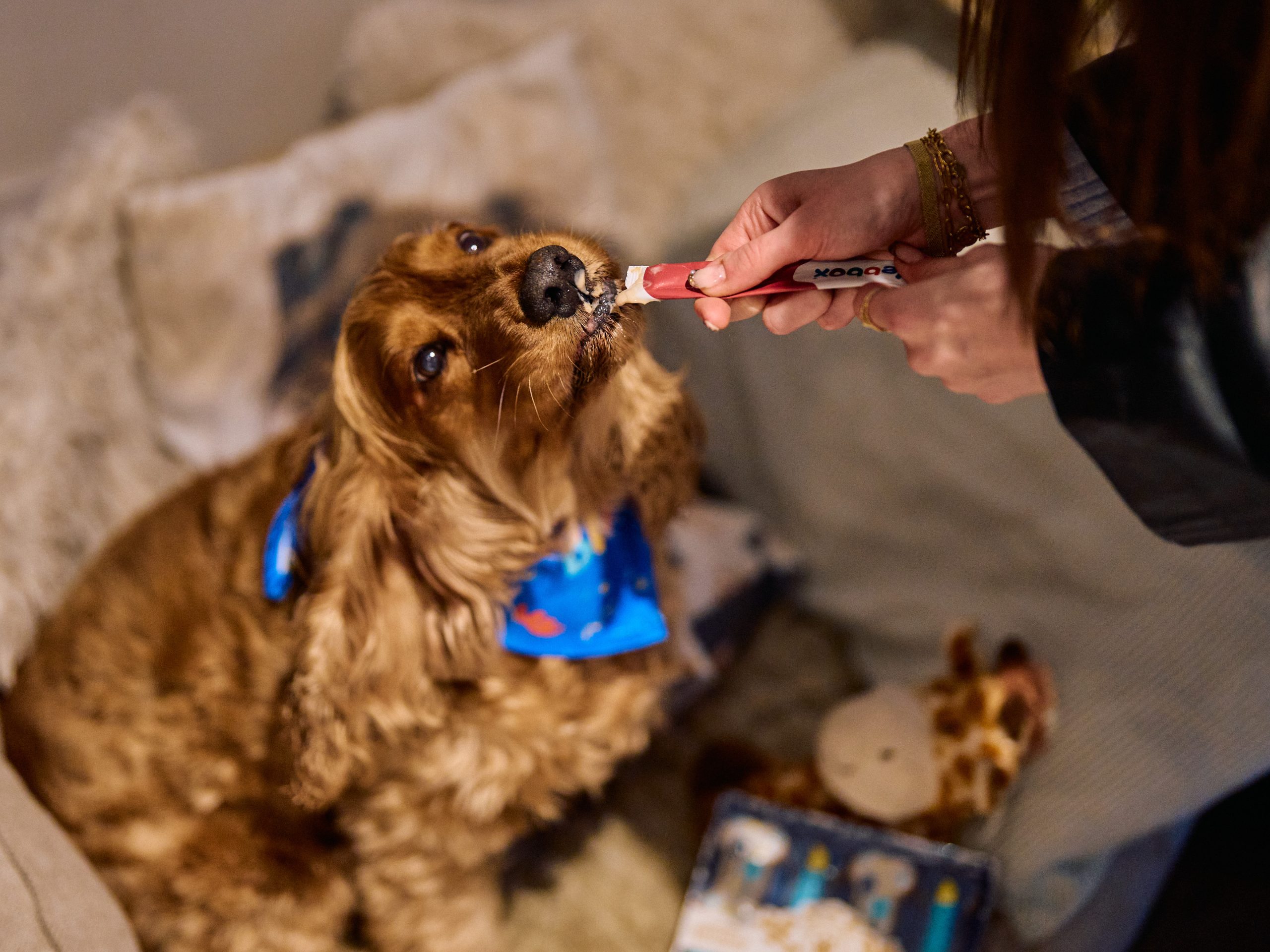
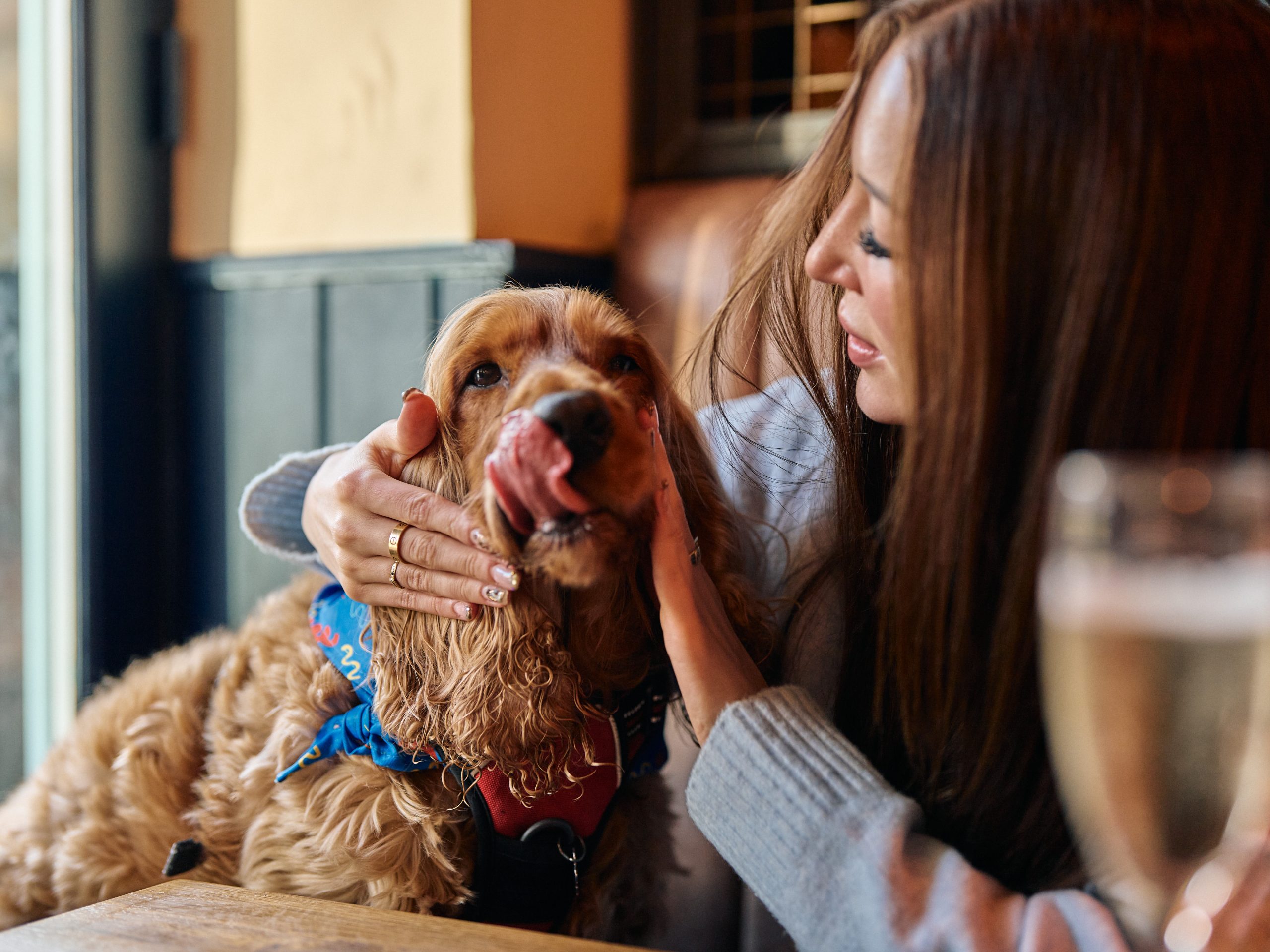
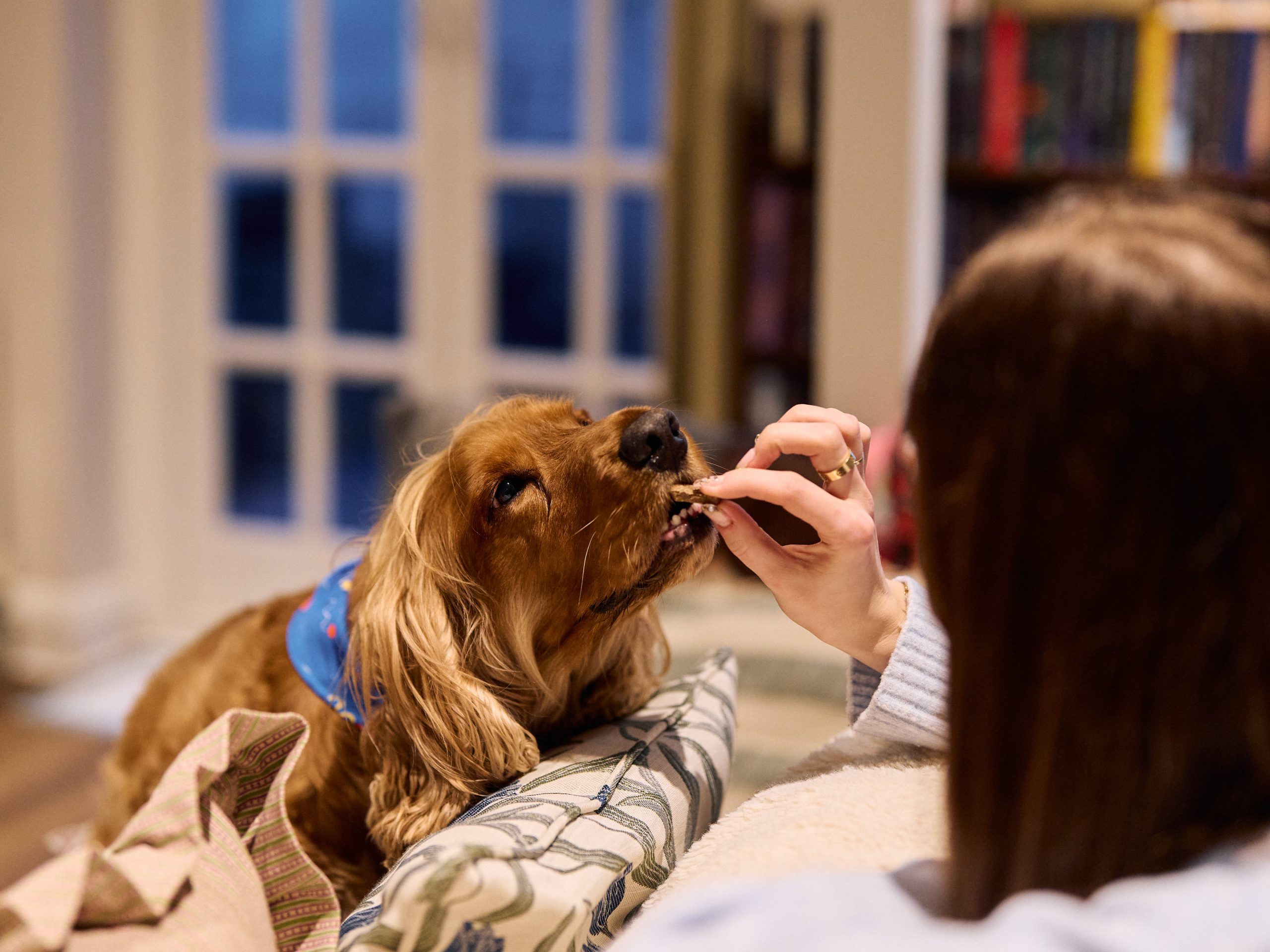
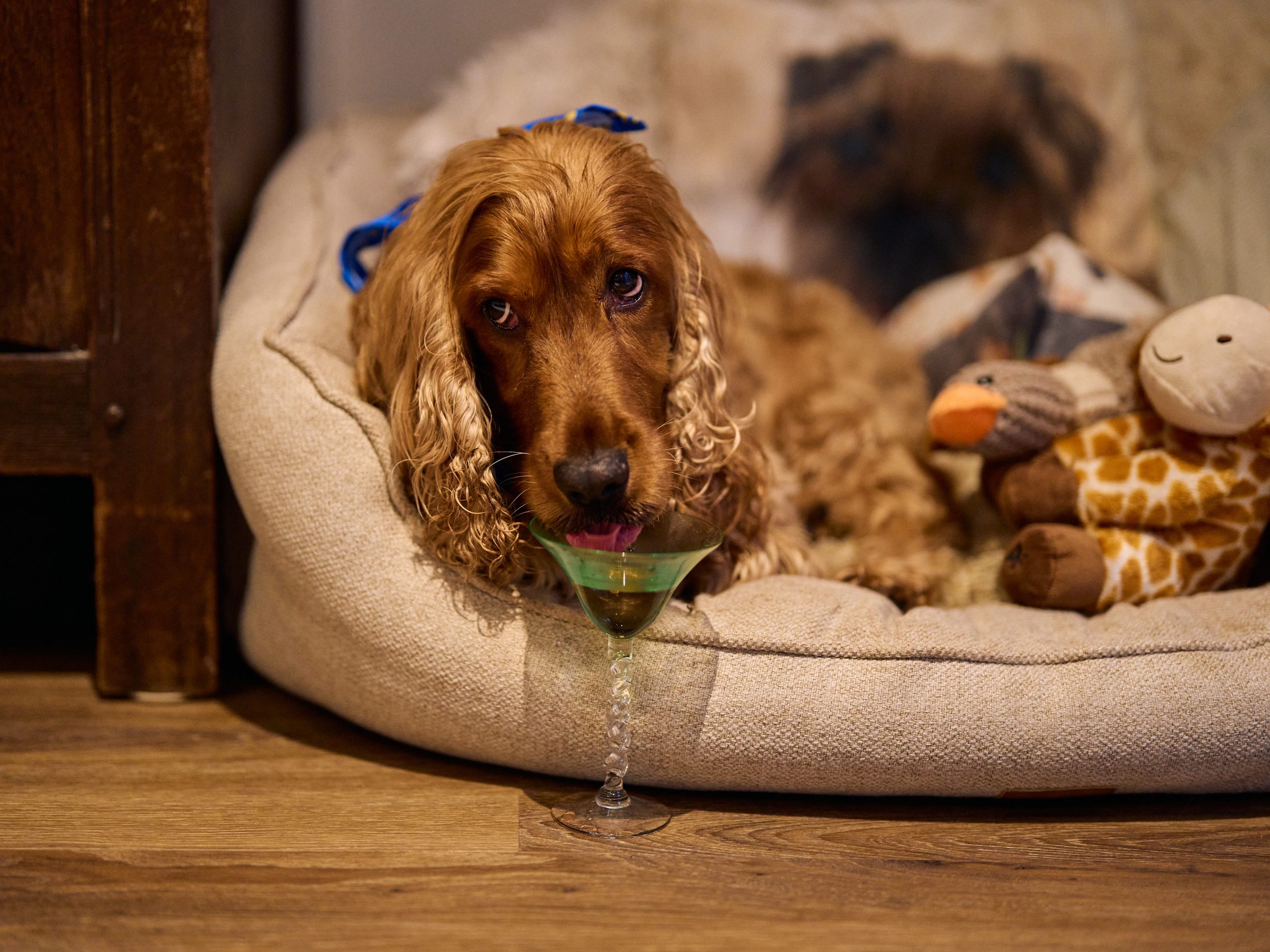
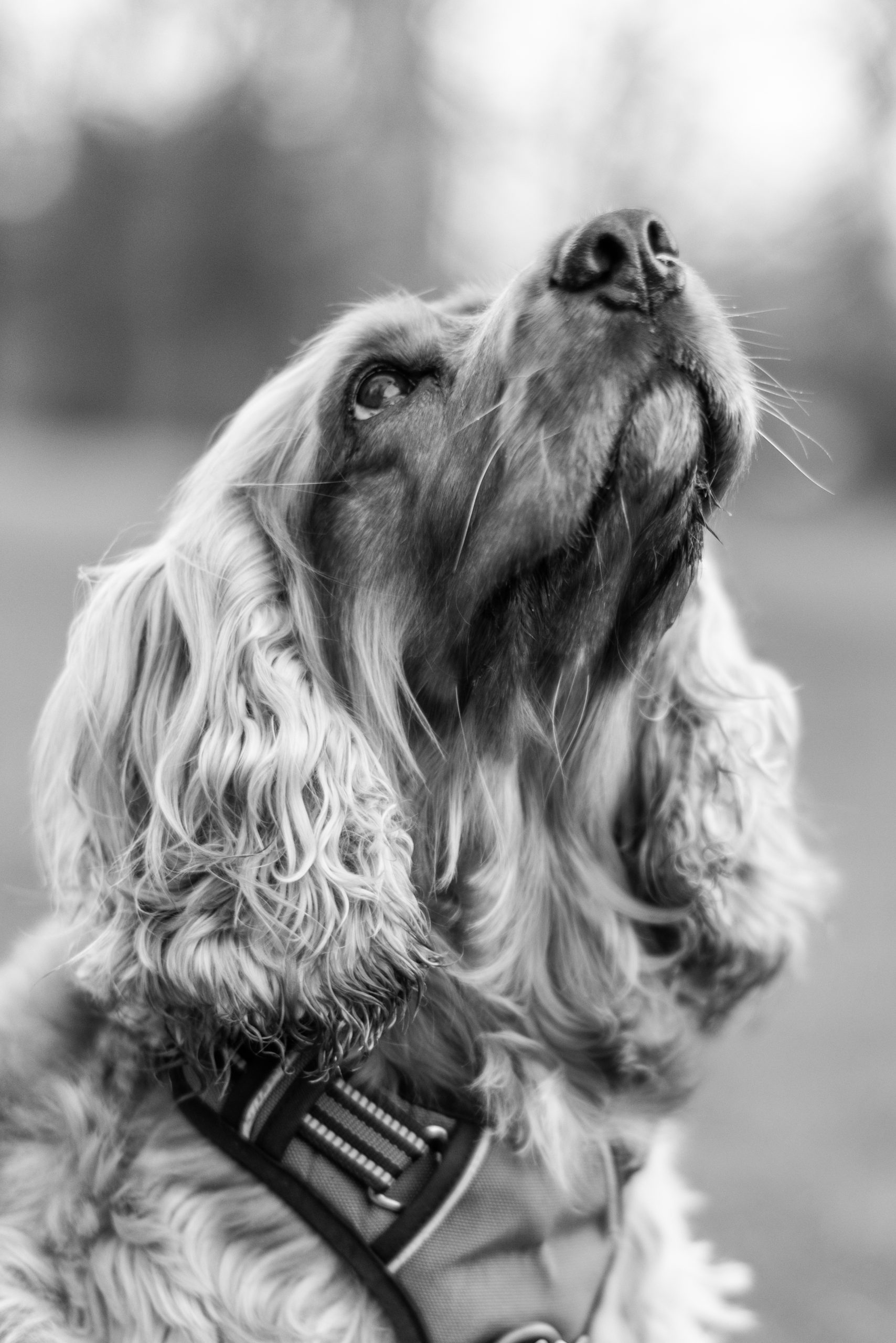
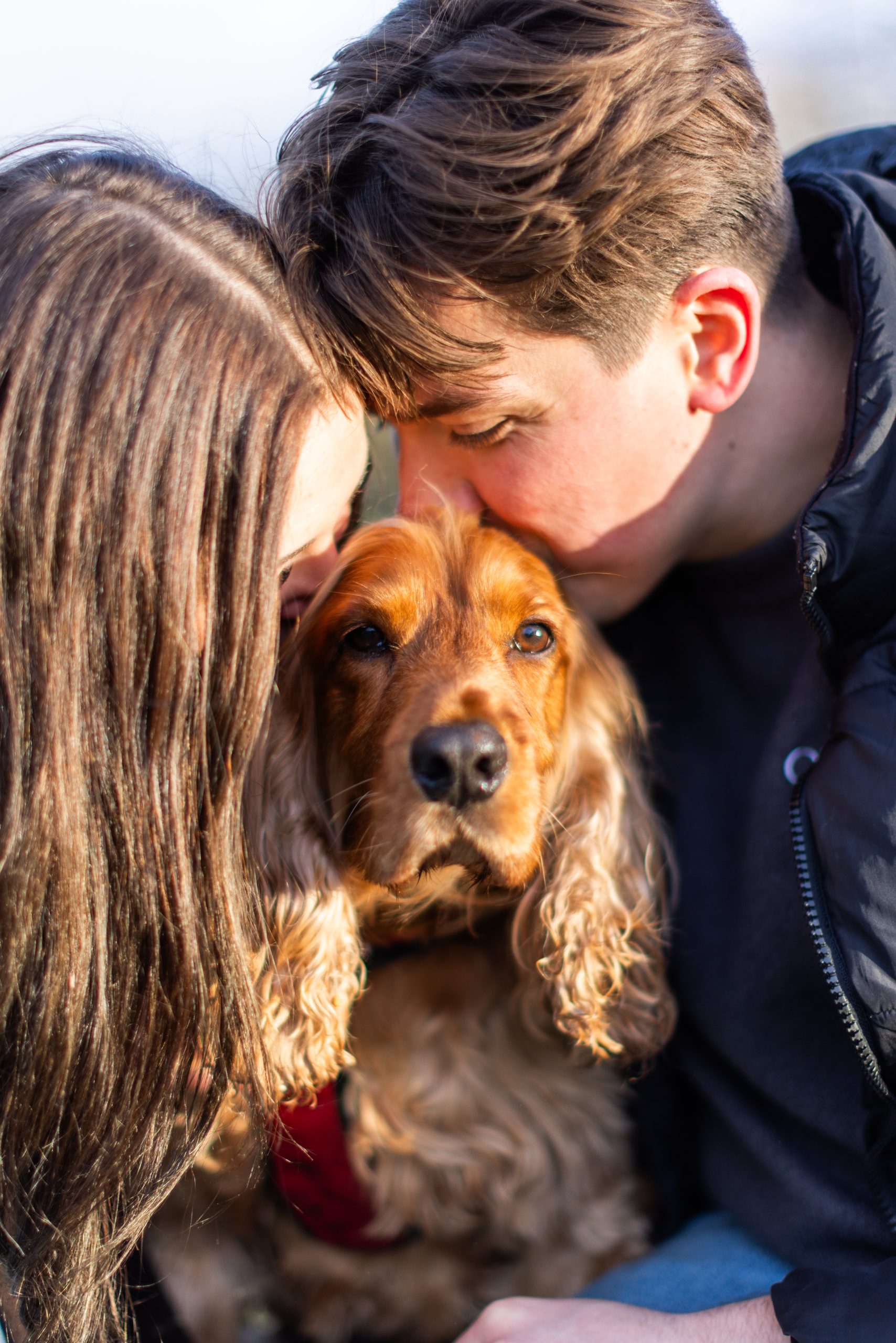
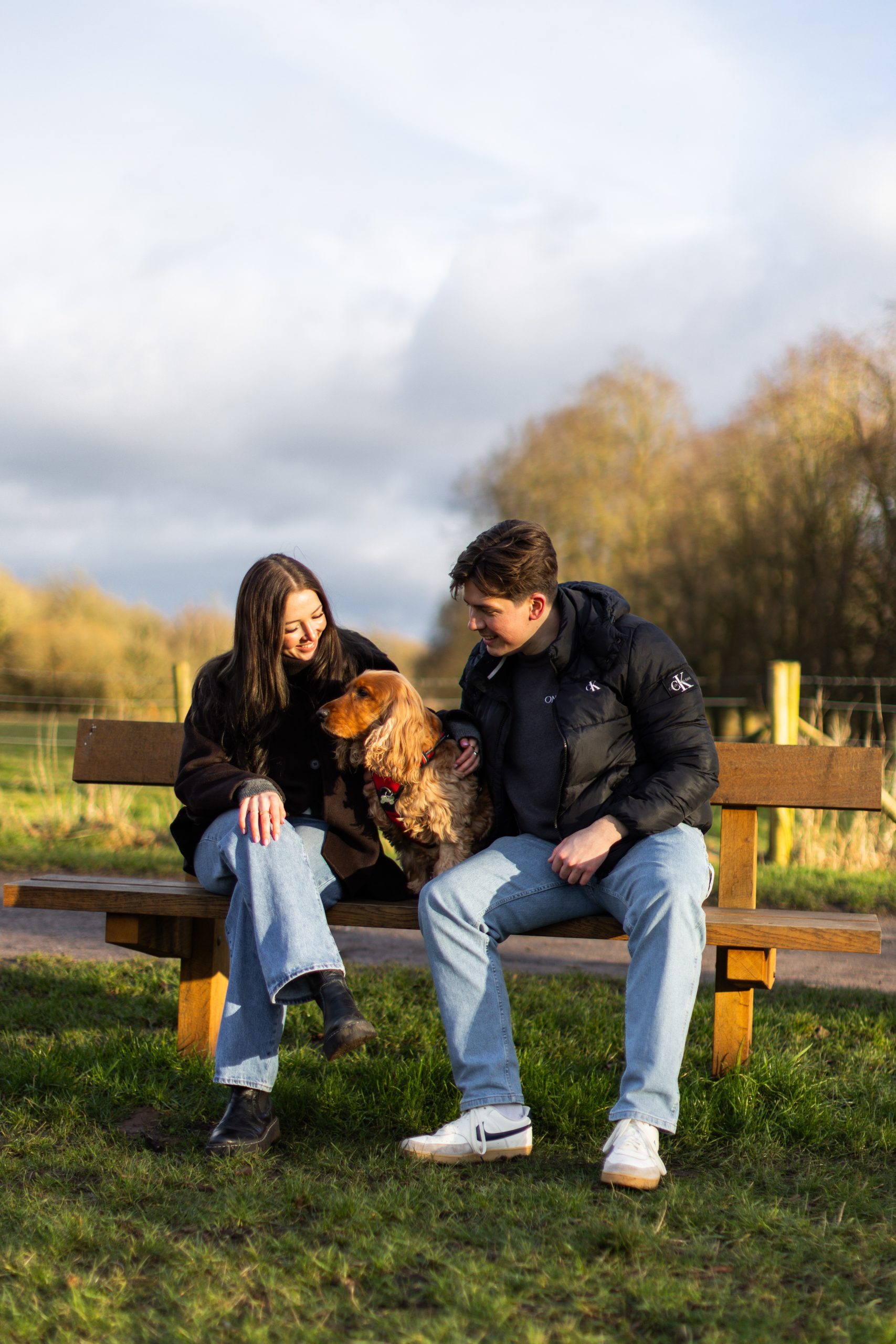
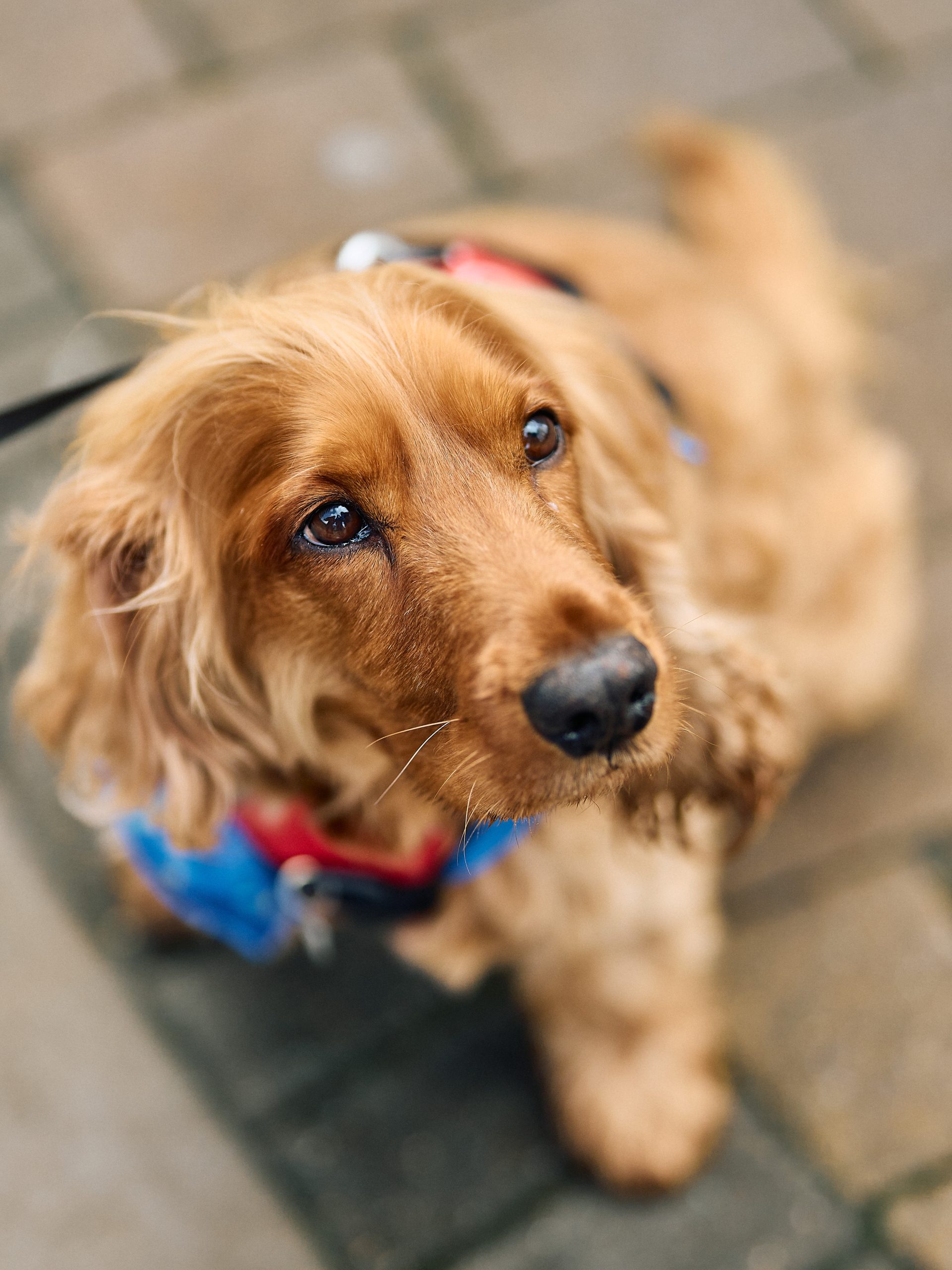
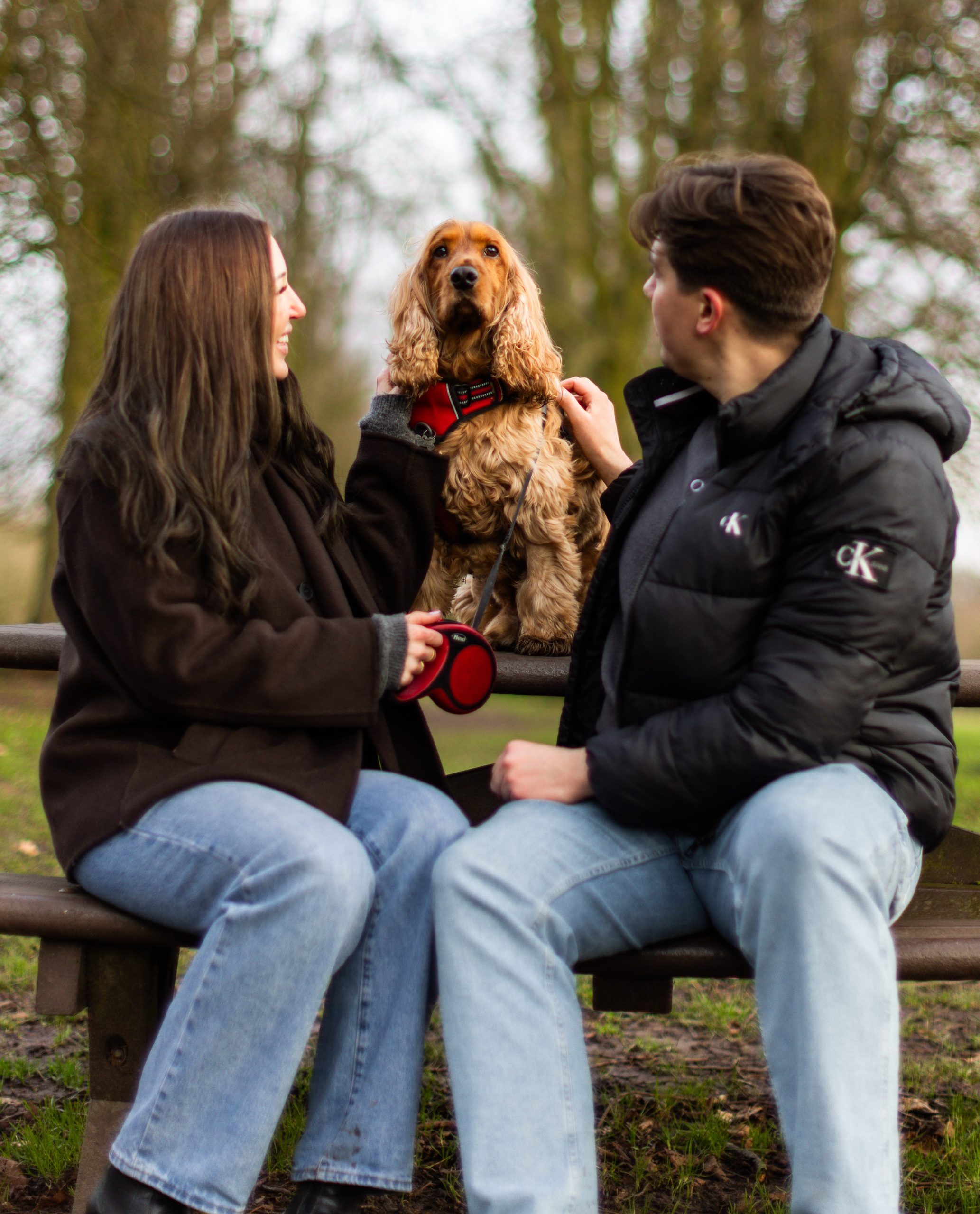
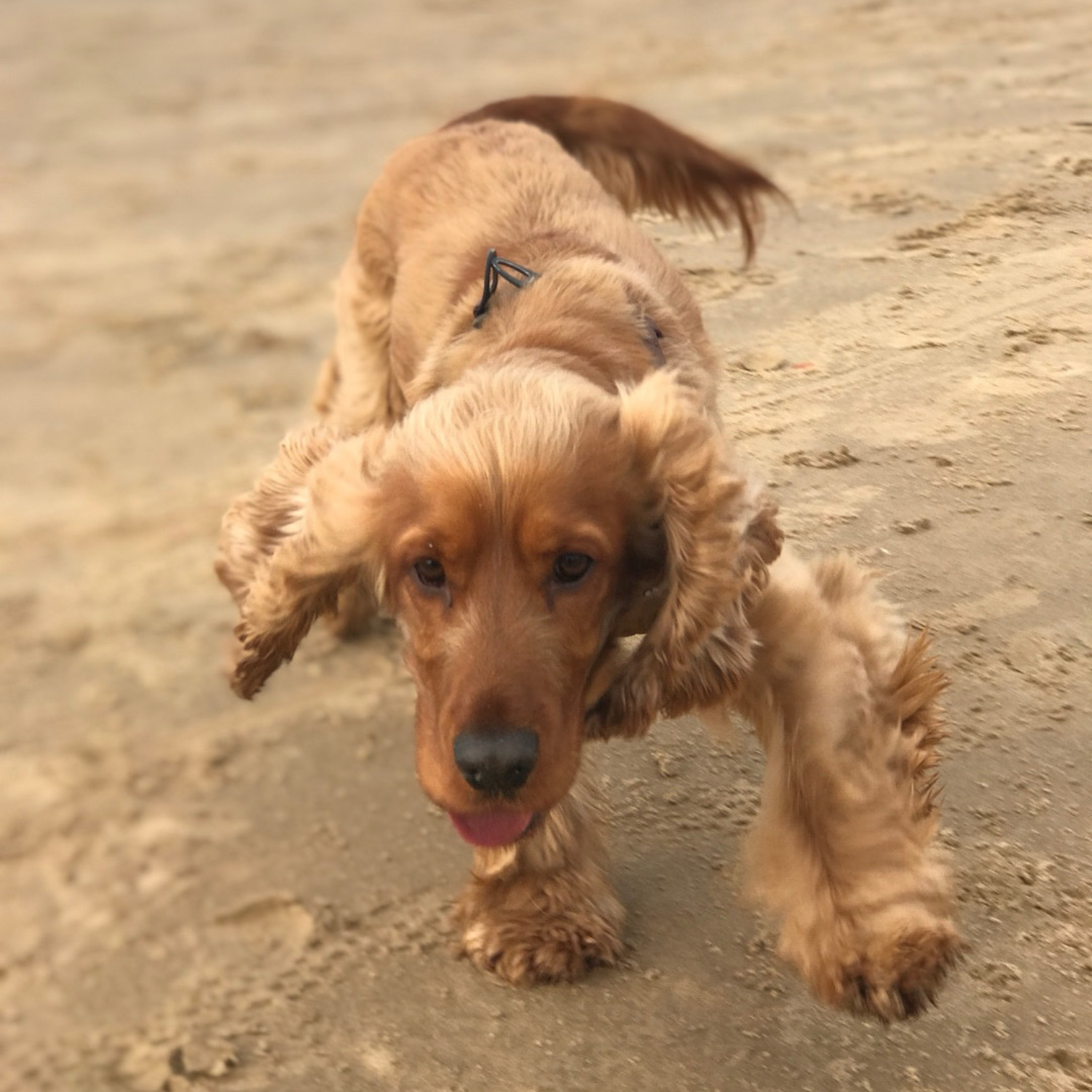
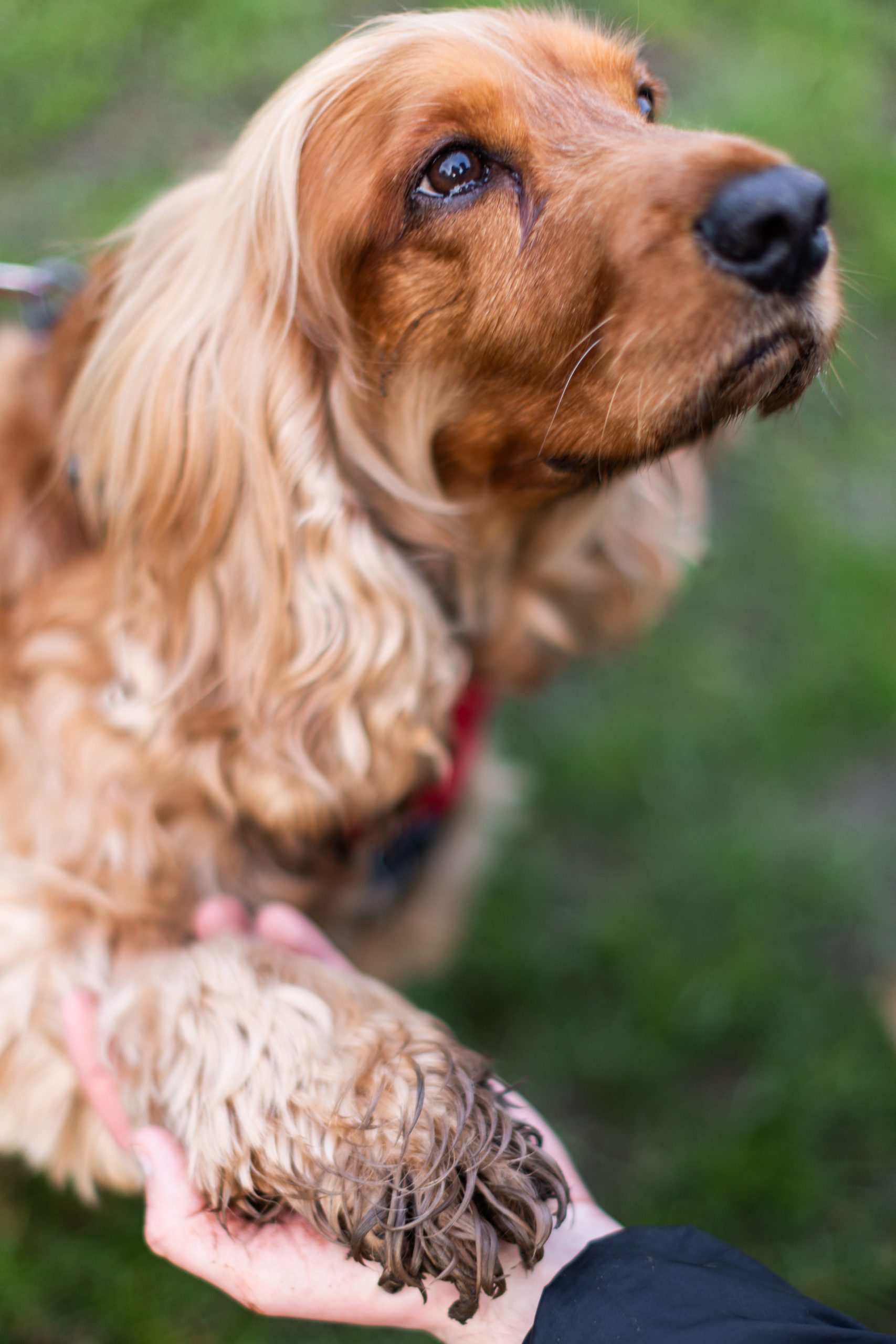
Leo was much more than a pet; he was a member of our family. Anyone who has shared their life with a dog will understand that the bond can feel remarkably human, and Leo was no exception. He had an unrivalled personality, an extraordinary ability to bring people together and a way of making himself the centre of attention wherever he went. He was happiest exploring new walking routes, visiting the beach, accompanying us on holidays and persuading us that he deserved another treat. Friends, family and complete strangers alike often assumed he was much younger than his years. Long before his diagnosis, and long after it, Leo continued to be defined not by cancer, but by the joy, companionship and love he brought to those around him. We certainly never imagined that a few episodes of urinary frequency and intermittent pain in one of his hind legs would ultimately lead us into the world of veterinary oncology.
Entering the World of Veterinary Oncology
What followed was a diagnostic journey that felt remarkably familiar to those experienced by many people living with cancer. Initial ultrasonography in primary veterinary care raised concerns about an advanced pelvic malignancy. Within days, Leo was referred to a specialist veterinary cancer centre, where he underwent further investigations including CT imaging and biopsy. In little more than a week, we had gone from noticing a change in his urinary habits to facing a probable diagnosis of advanced cancer.
Yet one aspect of the experience felt very different from human medicine. Referral to a specialist centre was presented as an option rather than an obvious next step. In human healthcare, a suspected cancer diagnosis would routinely trigger specialist assessment and discussion of treatment options. In veterinary medicine, many dogs with suspected advanced cancer never reach a specialist centre and may be euthanised before a definitive diagnosis is established or treatment explored. Leo’s experience made me wonder how many opportunities for treatment, improved quality of life and scientific understanding are lost as a result. As we searched for answers, one of the first challenges was establishing exactly what type of cancer Leo had.
In dogs, distinguishing between prostatic adenocarcinoma and urothelial carcinoma can be surprisingly difficult when disease is locally advanced. Tumours may involve the prostate, bladder neck and urethra simultaneously, making it challenging to determine where the cancer began. This uncertainty resonated strongly with me because of my own research in cancer of unknown primary, where I investigated how circulating tumour DNA (ctDNA) could be used to identify actionable genomic alterations and provide clues regarding a cancer’s tissue of origin when conventional investigations were unable to provide definitive answers. Whilst Leo’s situation was very different, it highlighted a familiar challenge: understanding exactly what cancer we are treating in order to make the best possible treatment decisions.
One particularly fascinating aspect of Leo’s diagnostic work-up was the use of molecular testing. Urine testing for the BRAF V595E mutation, the canine equivalent of the human BRAF V600E mutation, can provide valuable diagnostic information without relying solely on imaging or tissue sampling. It is a reminder that veterinary oncology is increasingly embracing many of the same principles that are transforming human cancer care.
Innovation, and the Gap Between Human and Veterinary Cancer Care
Yet while Leo’s diagnosis revealed many scientific similarities between canine and human cancers, it also highlighted important differences in access to innovation.
Over the last decade, treatment options for advanced urothelial cancers in people have changed dramatically. Patients now have access to immunotherapy, targeted therapies and, more recently, antibody-drug conjugates such as enfortumab vedotin. These treatments have transformed outcomes for many patients.
In veterinary medicine, however, such therapies remain unavailable.

Leo’s treatment reflected the current realities of canine oncology. Carboplatin remains a commonly used first-line treatment, with taxane chemotherapy often considered following progression. These treatments can provide meaningful benefit, but the contrast with contemporary human oncology is striking. Treatments that have transformed outcomes for many of my patients are simply not available to Leo.
The limitations of available treatments became even more apparent when we began exploring clinical trial options. Although databases exist to identify veterinary oncology trials across Europe, the number of actively recruiting studies remains relatively small, particularly within the UK. For many dogs, there may simply be no suitable trial available. As owners, this was frustrating. Knowing that exciting advances are being made in cancer research whilst recognising that few opportunities exist for veterinary patients to access those innovations highlighted another important gap between human and animal healthcare.
It also reinforced one of the central ideas behind comparative oncology: that greater collaboration between human and veterinary research has the potential to accelerate progress for both species.
Leo’s journey also highlighted another challenge familiar to many pet owners: the financial realities of specialist cancer care. We were fortunate to have invested in a comprehensive insurance policy, yet even generous annual or condition limits can be exhausted surprisingly quickly when advanced imaging, specialist consultations, biopsy procedures and cancer treatments are required.
As we explored every possible option for Leo, we found ourselves researching treatments far beyond those routinely available. One possibility was a novel procedure known as prostatic artery embolisation, an emerging minimally invasive technique designed to reduce blood flow to the tumour. Although this ultimately proved unnecessary in Leo’s case following detailed discussions regarding the potential risks and benefits, the process led us to seek advice from experts not only within the UK but also in the United States.
What struck me was how quickly cancer care can become a global endeavour when someone you love is affected. As owners, we were no longer simply following a treatment pathway; we were reading studies, seeking specialist opinions and trying to understand every possible option.
At the same time, we were overwhelmed by the kindness of those around us. Friends, family and members of our wider community rallied behind Leo, helping us raise funds to support his care. Many had never met him, yet still felt compelled to help. Their generosity was humbling and served as a reminder that cancer rarely affects an individual alone and that illness has a remarkable way of bringing people together.
Leo’s journey also made me reflect on how treatment decisions are perceived. In human oncology, exploring further treatment options is generally regarded as a natural part of the cancer pathway if a patient remains well enough. In veterinary medicine, owners are often presented with euthanasia as a compassionate option at an early stage. This can create a difficult emotional burden. There can be a sense that choosing further treatment is somehow selfish, or that continuing to explore options risks prioritising
the owner’s wishes over the animal’s welfare. Yet our experience taught us that the reality is often more nuanced. When quality of life remains good and treatment is well tolerated, continuing treatment can be an act of compassion rather than denial.
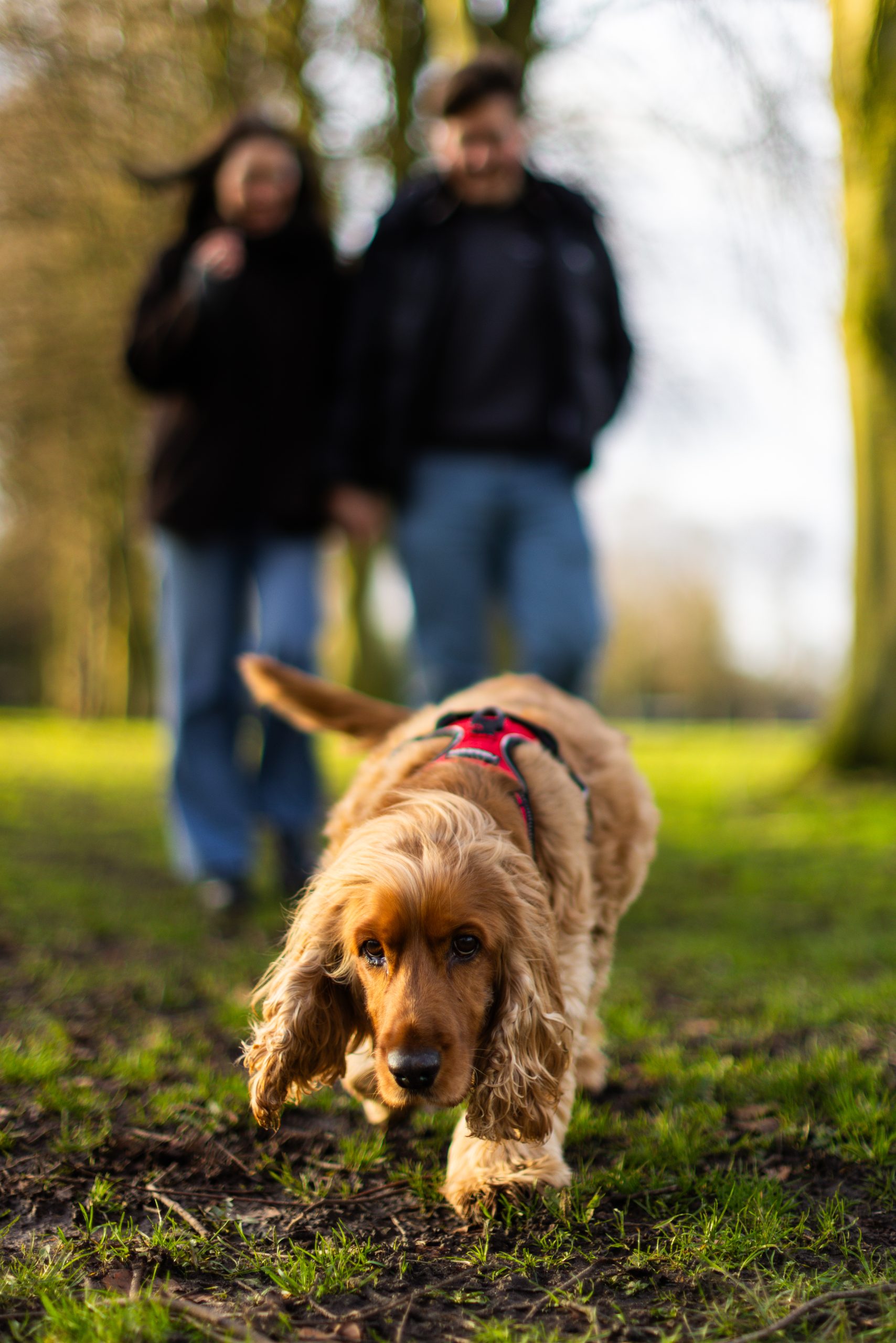
We were fortunate that Leo tolerated treatment exceptionally well. Despite living with cancer, he continued to do the things he loved most. He went for regular walks, visited the beach, enjoyed holidays in Wales and the Lake District, and enthusiastically sampled his favourite foods alongside the occasional (if we are being honest, fairly regular) cheat meal.
For a considerable period, cancer was something Leo had rather than something that defined him.
People we met in local parks and on walks regularly commented that he did not look ill at all. More than once, strangers asked whether he was still a puppy. Leo was nine years young at the time.
One of the more unexpected challenges was that chemotherapy meant we had to be cautious about infection risk around other dogs. Leo, however, had absolutely no understanding of this, of course. Whilst we tried to keep a sensible distance, he remained as sociable as ever and was often keen to greet or play with every dog he met. Whilst we were acutely aware of his diagnosis, Leo himself seemed blissfully unaware that he was supposed to be ill.
Eventually, we began to notice a gradual decline in his quality of life. The changes were initially subtle, but repeat CT imaging confirmed disease progression and prompted a transition to second-line treatment. Throughout this period, we remained guided by a simple principle: not how long we could keep Leo alive, but whether he was still enjoying life.
At diagnosis, his expected survival was estimated to be between two weeks and two months. Yet through perseverance, a willingness to continue exploring treatment options, and the guidance of a fantastic veterinary oncologist, Leo ultimately enjoyed four months of remarkable quality time with the people who loved him most.
Those months were not spent simply existing. They were filled with adventures, holidays and ordinary moments that became extraordinarily precious. In many ways, Leo lived more joyful time during those final months than many people experience over a far longer lifespan. He reminded us that quality of life and length of life are not opposing goals. Sometimes treatment can provide not only more time, but meaningful time.
Perhaps one of the most intriguing aspects of Leo’s diagnosis was how different canine prostate cancer appears to be from the disease we see in humans. In men, prostate cancer is typically driven by male hormones and hormone therapy forms the cornerstone of treatment. Dogs appear to follow a very different biological pathway. Prostate cancer occurs predominantly in neutered males and is often highly aggressive from diagnosis, with no clearly recognised hormone-sensitive phase.
This is one of the reasons comparative oncology is so important. Naturally occurring cancers in dogs can provide unique insights into aggressive disease, treatment resistance and cancer biology, whilst advances in human medicine can help improve care for veterinary patients.
For me, Leo transformed comparative oncology from an academic concept into a lived experience. His diagnosis revealed how much humans and dogs share when confronted with cancer: common biological pathways, common uncertainties and a common need for better treatments.
Cancer does not recognise the boundaries we create between medical disciplines or species. If discoveries made in dogs can improve outcomes for human patients, then advances developed for humans should ultimately benefit dogs as well.
That principle lies at the heart of comparative oncology, the One Medicine movement and the work of Humanimal Trust.
Ultimately, perhaps the greatest lesson Leo taught me is that progress in medicine is at its most powerful when knowledge flows freely between disciplines, researchers and species, and that the fight against cancer is one we are all undertaking together, whether we walk on two legs or four.”
Leo’s legacy is a reminder that the fight against cancer is not confined to one species, one profession or one discipline. His journey demonstrates the profound connections between human and veterinary medicine and the potential of comparative oncology to transform the way we understand, diagnose and treat disease.
Through stories like Leo’s, Humanimal Trust continues to champion the principles of One Medicine – recognising that collaboration between doctors, vets, researchers and communities can help create a healthier future for humans and animals alike. The fight against cancer is a shared one, and progress depends on working together.
At Humanimal Trust, we believe that by bringing together doctors, vets and researchers, we can accelerate progress against cancer for the benefit of both humans and animals. Through initiatives such as our Cancer Discovery Fund, Connections Awards and supporting comparative oncology research, we are helping to break down barriers between disciplines and spark new collaborations. We create opportunities for professionals working across human and veterinary medicine to meet, share knowledge and develop ideas that could lead to better understanding, earlier diagnosis and more effective treatments. By connecting expertise across species, we’re working towards a future where medical advances benefit everyone through One Medicine.