
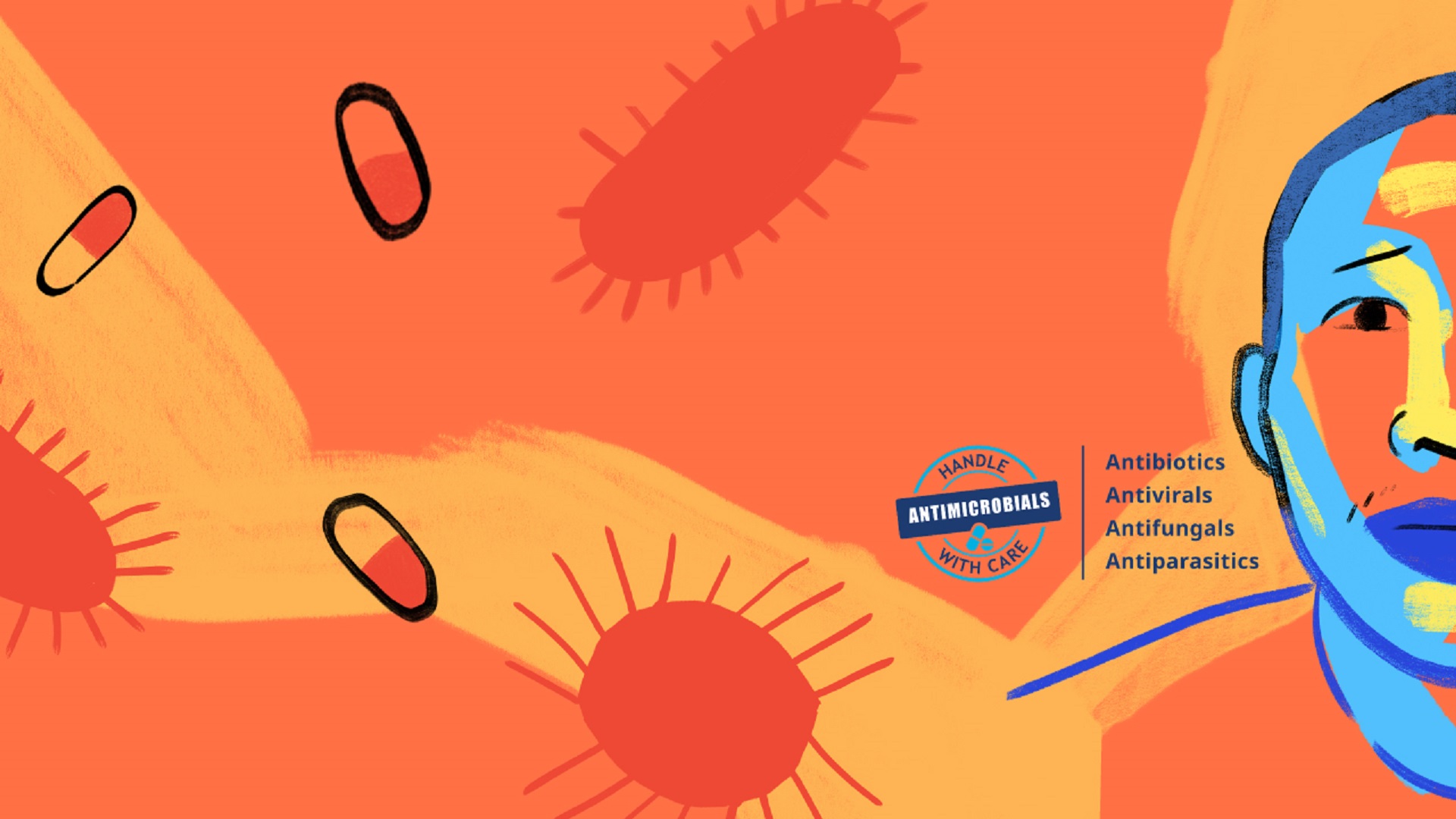
Antimicrobial resistance (AMR) occurs when bacteria, viruses, fungi, or parasites change over time and stop responding to the medicines designed to kill them. This makes infections harder to treat and increases the risk of disease spread, severe illness, and death in both humans and animals.
AMR is a natural but dangerous biological process made worse by the overuse or misuse of antimicrobials in both humans and animals.
Why AMR Matters
When antimicrobials stop working, even routine surgeries, cancer treatments, and animal care carry greater risks. Resistant infections lead to longer hospital stays, higher costs, and greater losses in farming and veterinary care. Developing new drugs is slow and expensive, and the most powerful antibiotics are often reserved for human medicine.
Globally, poorer countries face higher risks because of limited access to clean water, diagnostics, and effective regulations.
The Benefits of AMR Awareness
- Better science: Research into AMR improves understanding of how resistance develops and spreads.
- Innovation: The threat drives new treatments like vaccines and alternative therapies.
- Responsible use: Awareness campaigns encourage careful prescribing and stewardship in both medicine and veterinary practice.
- Global cooperation: Shared data and surveillance (for example, the WHO’s GLASS program) help track and manage resistance worldwide.
AMR and the One Medicine Approach
One Medicine recognises that human and animal medicine share the same biological foundations. It encourages collaboration between doctors and vets to improve health outcomes for all species.
AMR perfectly illustrates this shared challenge:
- Same resistance mechanisms: Bacteria develop resistance through the same biological processes in humans and animals.
- Shared research: Studies of resistant infections in animals (like E. coli or Staphylococcus aureus) provide vital clues for human treatment.
- Better drug use: Comparative studies across species improve antibiotic dosing and help prevent misuse.
- Cross-species innovation: Medicines and treatment insights can often be adapted between humans and animals.
AMR shows how closely human and animal health are connected. Tackling it requires a One Medicine approach — bringing together doctors, vets, and scientists to share knowledge, use antibiotics wisely, and protect the effectiveness of these vital medicines for all species.