
Shared illness, shared medicine: How a shared treatment saved Boo’s life
When we think about medical care, it’s easy to imagine a clear divide between humans and animals—yet the truth is that many of the conditions affecting our companion animals mirror those seen in people, right down to the treatments used to save their lives. One example is auto-immune diseases and blood disorders, where the medications prescribed to control them can be strikingly similar across species.
Rita, who works for Cats Protection, saw this connection first hand when she received a call from the adopter of a kitten rehomed just over a year ago. At 16 months old, the young cat, Boo, had suddenly fallen critically ill…
A sudden decline
“Boo had become lethargic and lost interest in food, prompting her guardian to visit the vet”, Rita shared. “A simple gum check revealed the seriousness of her condition – the gums were stark white, a classic sign of severe anaemia. She was immediately referred to Dick White Referrals, a specialist centre outside Newmarket.
There, her condition was described bluntly—’not compatible with life’. Her Packed Cell Volume (PCV), the measure of red blood cells in the bloodstream, had fallen to just 4%. In cats, as in humans and many other animals, red blood cells should make up around a third of total blood volume. This level of depletion was life-threatening.”
A rare and dangerous diagnosis
“The diagnosis was Auto-Immune Haemolytic Anaemia (AIHA), a condition in which the immune system destroys its own red blood cells—and, in this case, even attacked the donor cells being transfused to save her. To keep her heart from failing, the veterinary team acted fast. She first received an emergency transfusion using donor dog blood—a one-time option used only when immediate replacement of red cells is essential. She then received a second transfusion from the guardian’s other cat. Alongside this, she was started on a strong course of corticosteroids, a medication widely used in human medicine to suppress an overactive immune response.”
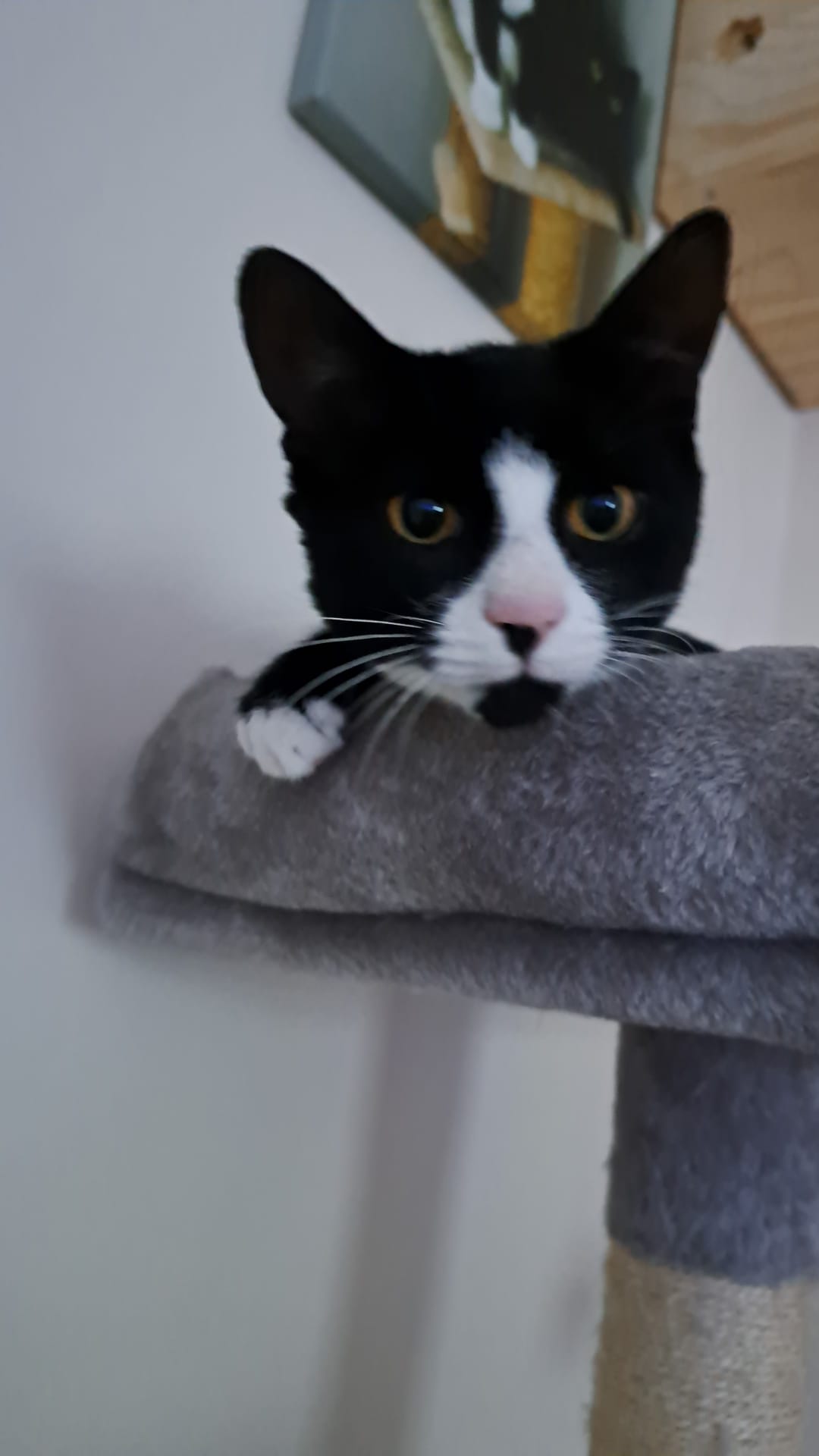
Corticosteroids play a crucial role in veterinary care as well. This overlap becomes especially evident in rare and life-threatening cases, when swift diagnosis and shared medical knowledge can mean the difference between life and death – like in Boo’s case.
Ongoing treatment and hope ahead
“Thankfully the treatment took effect quickly”, Rita explained. “Within a few days Boo was stable enough to return home, but her recovery is far from over. Her medications cost around £300 a month, and while some savings may be possible through alternative veterinary pharmacies, it remains a significant ongoing commitment.
The good news is that Boo is making steady progress. She continues to be monitored by the referral centre, where vets are now beginning to reduce her medication as her condition stabilises.”
Boo’s story is a powerful reminder of just how resilient animals can be—and how closely their medical needs can mirror our own. Thanks to swift action and specialist care, a young cat who was once ‘not compatible with life’ now has every chance of enjoying a happy, healthy future.